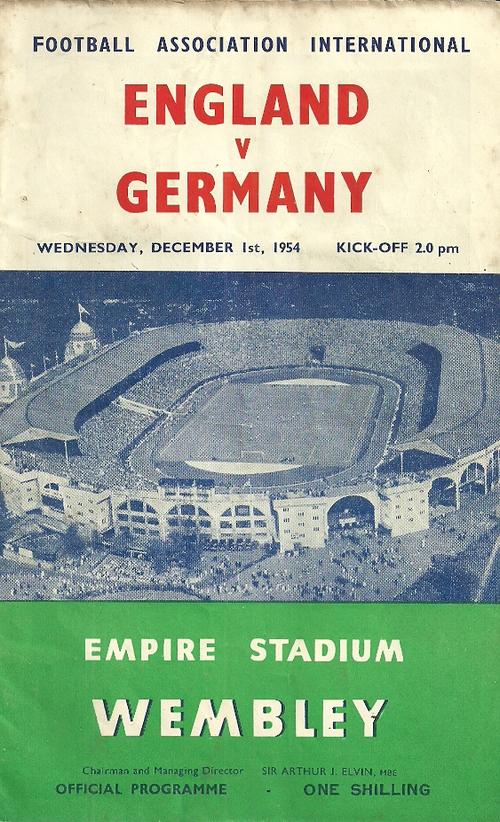
 The Football Scholars Forum opened its 2015-16 season on Wednesday, October 14, with a discussion of Christoph Wagner’s DeMontfort University PhD thesis entitled “Crossing The Line: The English Press and Anglo-German Football, 1954-1996.”
Based on extensive archival research, “Crossing the Line” analyzes representations of Germany and Germans in English newspapers’ football coverage of key international matches between the two western European nations. Within a shifting post-war historical context, the study notes a persistent undercurrent of hostility in Anglo-German cultural relations, football included.
However, two distinct phases were described. In the first, extending from the 1950s to the rise of Thatcher, dailies generally adopted a restrained tone and their coverage was notable for the “relative absence of anti-German sentiment.” A major transformation occurred in the second phase, from the 1980s to the mid-1990s, as English press coverage turned more negative, chauvinistic, and increasingly xenophobic.
The FSF discussion with the author touched on many different aspects of Wagner’s study, from the militarization of language in the football press and the forging of national stereotypes to narratives of English decline, methodology and sources.
A recording of the session is available here.
For more information about the Football Scholars Forum visit the online think tank’s website.
Category: Fútbology
Zambia won the African Nations Cup in 2012. It is a recognized regional football powerhouse. As in most African countries, Zambians are fiercely passionate and knowledgeable about the game.
Yet to this day no academic history of soccer in Zambia exists. Hikabwa Decius Chipande, a native of Zambia currently completing his PhD in history at Michigan State University, is determined to eliminate this inexcusable oversight.
On March 26, the Football Scholars Forum, a fútbol think tank based in the MSU History Department, hosted an online discussion of Chipande’s paper titled “Mining for Goals: Football and Social Change on the Zambian Copperbelt, 1940s to 1960s.” This paper is part of Chipande’s larger doctoral dissertation in African history, which I am supervising at MSU.
The paper was precirculated on the FSF website and then, following the group’s tradition, the author was invited to make brief introductory remarks about the project before ably taking questions from the audience for 90 minutes.
Participants from three continents engaged in a discussion about the changing structure of clubs on the Zambian Copperbelt; sport in Africanist scholarship; the place of Zambia in wider south-central and southern African histories; local fan culture; and the importance of print media and oral interviews to represent multiple local voices and perspectives on the past.
The audio recording of the full session can be downloaded here.
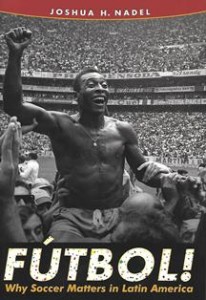 How does football shape national narratives in Latin America? Why is the game so closely tied to masculinity and femininity? How can studying fútbol advance our understanding of Latin American history? These and other questions were part of the Football Scholars Forum recent discussion of Joshua Nadel’s Fútbol!: Why Soccer Matters in Latin America.
The author, an assistant professor of Latin American and Caribbean history at North Carolina Central University, shared his experience of writing a book that the publisher expected to have cross-over appeal. In addition to tackling questions from the thirteen participants online, Nadel also suggested future directions for research on Latin American fútbol.
An audio recording of the event can be downloaded here.
The next gathering of the Football Scholars Forum will be on March 26 for a paper on Zambian football by Hikabwa Chipande, a PhD candidate in African history at Michigan State University. For more information about this event, please contact Alex Galarza.
Categories
The Women’s Game: Global Perspectives
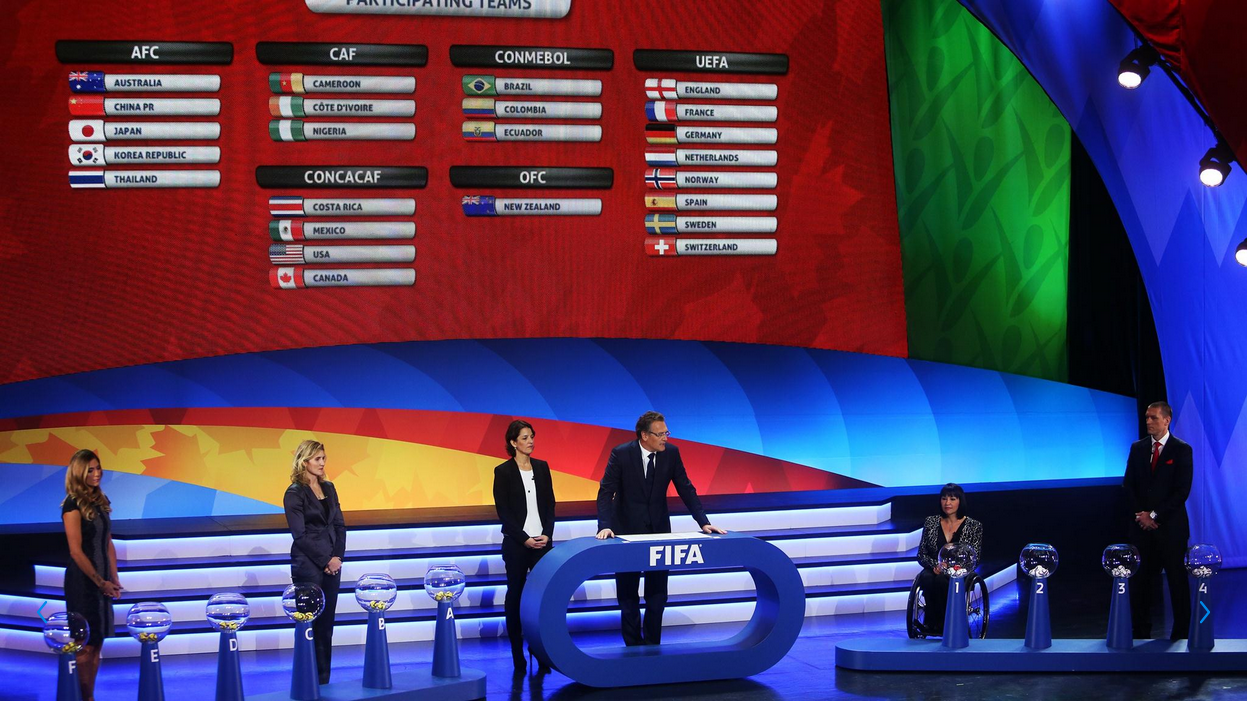
Last Saturday’s 2015 Women’s World Cup draw in Ottawa briefly took the global media spotlight away from the men’s game. And from the players’ gender discrimination lawsuit against FIFA and the Canadian Soccer Association for staging matches on artificial turf rather than natural grass.
The prominence of the women’s game in the sport-media-industrial complex happens so rarely, and tends to be so fleeting, that the Football Scholars Forum, the online fútbol think tank based at Michigan State University, decided to devote its final event before the holiday break to a thorough discussion of the state of the women’s game internationally, both on the pitch and in the scholarly literature.
This veritable intellectual pelada (pickup game) takes place on Thursday, December 11, at 2pm Eastern U.S. Time (-5 GMT). To jumpstart the Skype discussion, eminent scholars of the game have written pre-circulated blog posts on the FSF website.
Click here to read “When Two Elephants Fight, It is the Grass That Suffers” by Jean Williams (DeMontfort University, @JeanMWilliams).
Click here to read “Marimachos: On Women’s Football in Latin America” by Brenda Elsey (Hofstra University, @politicultura) and Joshua Nadel (North Carolina Central University, @jhnadel).
Click here to read “The National Teams We Know Nothing About” by Gwen Oxenham.
Click here to read “A Pitch of Her Own” by Martha Saavedra (@tricontinental)
This is not the first time that FSF has delved into aspects of the study and play of women’s football. In 2011, just before the last Women’s World Cup, Cynthia Pelak and Jennifer Doyle facilitated a vigorous session (click here for details and audio). A second gathering a year later pivoted around Jun Stinson’s short documentary film, The 90th Minute (click here to listen to my interview with the filmmaker), and featured an intervention by Gwen Oxenham, author of Finding the Game (click here for audio).
To participate in the December 11 FSF event via Skype, please contact Alex Galarza on Twitter (@galarzaalex) or by email at galarza.alex AT gmail. See you on the virtual pitch!
 With the 2014 World Cup in the history books, the Football Scholars Forum, an online think tank based at Michigan State University, announced the start of its 2014-15 season.
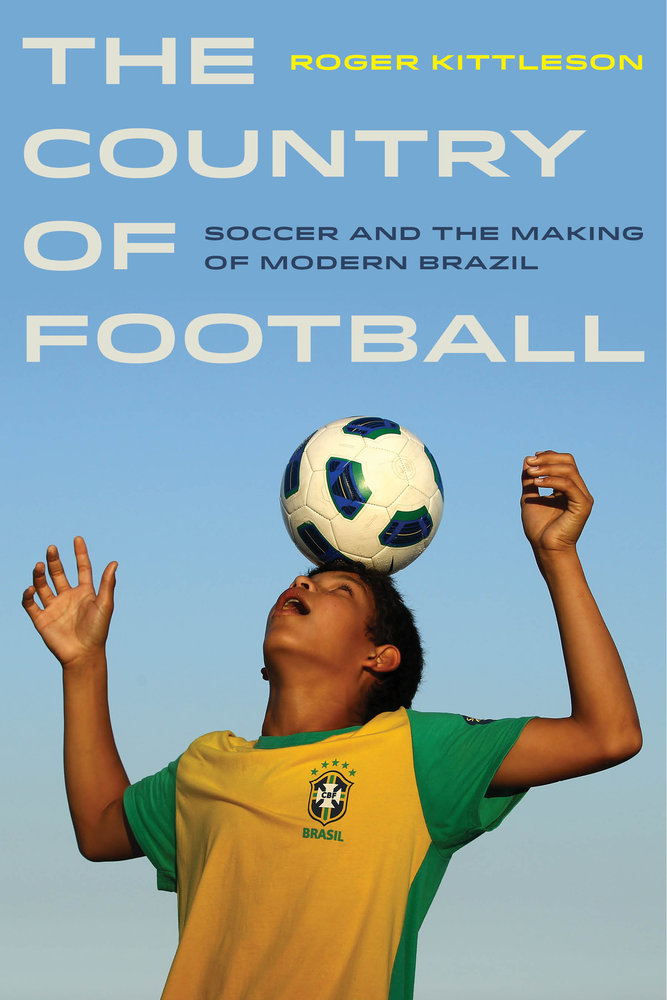
On September 25, 3pm Eastern Time (-5 GMT), historian Roger Kittleson (@rogerkittleson) joins the group to discuss his new book The Country of Football: Soccer and the Making of Modern Brazil. To participate in the 90-minute Skype session please send Alex Galarza (galarza.alex AT gmail.com) your Skype name to be added to the call.
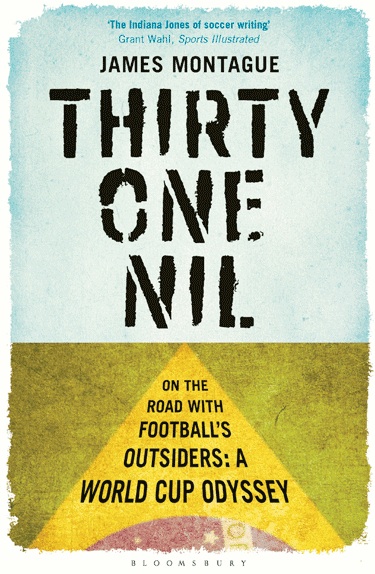 On October 30 (time TBD), FSF welcomes the “Indiana Jones of soccer journalism,” in the words of Sports Illustrated’s Grant Wahl: James Montague (@JamesPiotr). The session will be devoted to his recent book: Thirty-One-Nil: On the Road With Football’s Outsiders: A World Cup Odyssey.
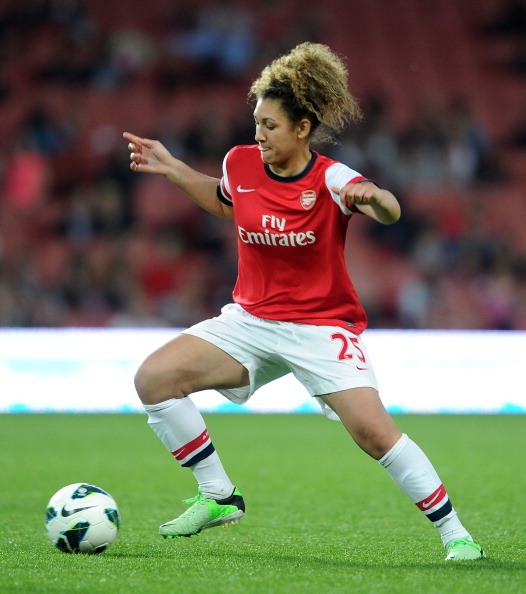 The third event of the (northern) fall will consist of a vibrant roundtable on the state of women’s football internationally. It will take place during the week of December 9-11 (day/time TBA), just after the Decenber 6 draw for the 2015 Women’s World Cup. Jean Williams (@JeanMWilliams), Martha Saavedra (@tricontinental), Gwendolyn Oxenham, and Brenda Elsey (@politicultura) are among the confirmed participants who will pre-circulate blog posts on the FSF website to stimulate discussion and debate.
Categories
Zambian Fútbology
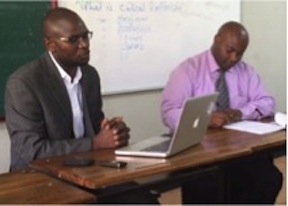 Guest Post by *Hikabwa Chipande
LUSAKA—On June 4, 2014, I was invited by Dr. Walima Kalusa, the University of Zambia’s History Department head, to present a fútbological paper based on my current doctoral research on the political and social history of football in Zambia (1940s-1993). The seminar on “Football and Social Change on the Northern Rhodesian Copperbelt, 1940s to 1960s” was well attended by UNZA History staff, graduate students, and other interested scholars.
I explored how urbanized African miners appropriated football from their European supervisors and, after World War II, created a new black popular culture. When colonial authorities and mining companies introduced post-War social welfare programs to appease miners and urban residents, local Africans used these structures to demand greater access to resources for organized football and other amenities in their communities. In the late 1940s and into the 1950s, Africans popularized the game on the Copperbelt and used it to build vibrant social networks and communities to replace what they left in their rural villages.
As early as 1937, the British had established the Central Native Committee, which seized control of African sport due to fears that the colonized might use football as a tool for political agitation. Despite these moves, ordinary African athletes, officials, and fans developed alternative ways of organizing and enjoying their football. For example, supporters clubs formed. These hard-core fans unexpectedly made club officials and mine managers more accountable to the people. The emerging vernacular fan culture, which no scholar has ever researched before, shows how Zambians were sometimes able to use sport to rework the application of harsh colonial policies.
Another aspect of the history of Zambian football that has eluded researchers has to do with international matches played in colonial times. As I have discovered, Copperbelt teams played in the Belgian Congo, Southern Rhodesia (Zimbabwe), and South Africa. My work illustrates how these sporting adventures, among other things, turned into incubators for Pan-Africanism because the camaraderie experienced by Zambians in these contests sharpened their sense of solidarity with fellow Africans in neighboring colonies.
Categories
Hofstra Soccer Conference Round-up
For as long as I can remember, soccer in the United States has been referred to as the “sport of the future.” Last week’s “Soccer as a Beautiful Game” international conference at Hofstra University buried this notion once and for all. Hofstra history professors Stan Pugliese and Brenda Elsey did a marvelous job organizing the global conclave.
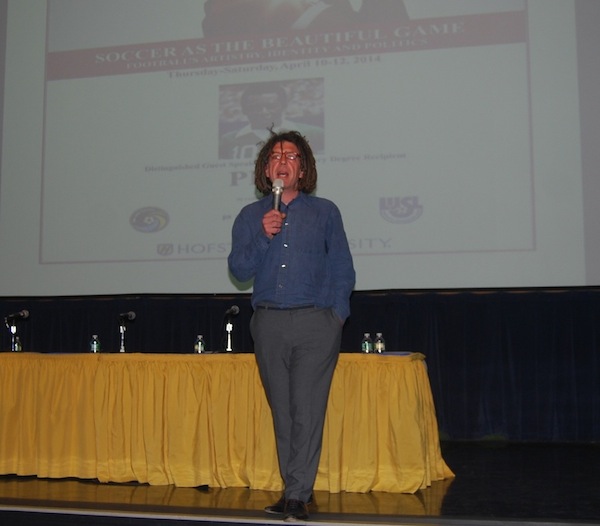 I arrived at the largest fútbological congress ever held in the U.S. just in time to hear David Goldblatt’s keynote address. Expecting a brilliant presentation based on his new book on Brazilian futebol, Goldblatt surprised many of us by delivering a democratic populist manifesto for the transformation of the world’s game. Goldblatt’s passionate speech for reform appealed to the suffrage of ordinary fans. (Click here and here to read more about this talk.)
Energized by Goldblatt’s provocative address, I had to choose which of several enticing but concurrent panels to attend. As a historian, I decided to privilege sessions with historians, Global South topics, and presentations by Football Scholars Forum members. Much like football radio broadcasts of the pre-satellite TV era, many of us kept track of the action unfolding in other panels via the active Twitter back channel (#HUsoccer @HofstraSocConf).