Categories
Fútbology

2014-15 Football Scholars Forum Kicks Off!

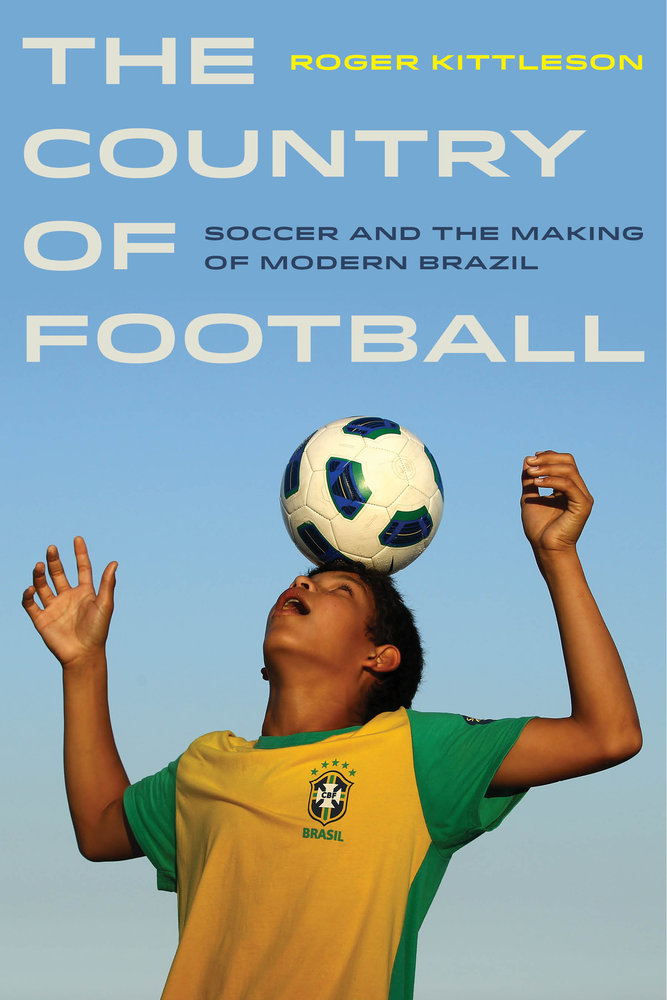
9780520279094With the 2014 World Cup in the history books, the Football Scholars Forum, an online think tank based at Michigan State University, announced the start of its 2014-15 season.


On September 25, 3pm Eastern Time (-5 GMT), historian Roger Kittleson (@rogerkittleson) joins the group to discuss his new book The Country of Football: Soccer and the Making of Modern Brazil. To participate in the 90-minute Skype session please send Alex Galarza (galarza.alex AT gmail.com) your Skype name to be added to the call.
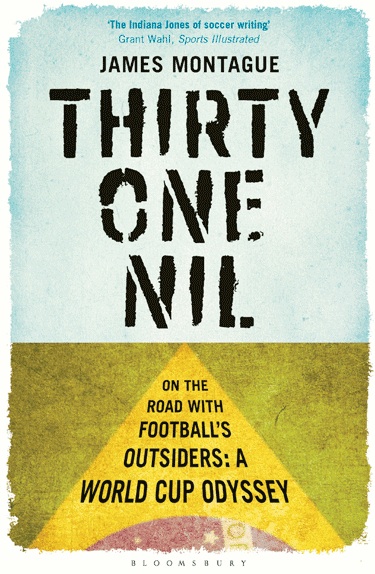
 

THIRTY-2On October 30 (time TBD), FSF welcomes the “Indiana Jones of soccer journalism,” in the words of Sports Illustrated’s Grant Wahl: James Montague (@JamesPiotr). The session will be devoted to his recent book: Thirty-One-Nil: On the Road With Football’s Outsiders: A World Cup Odyssey.
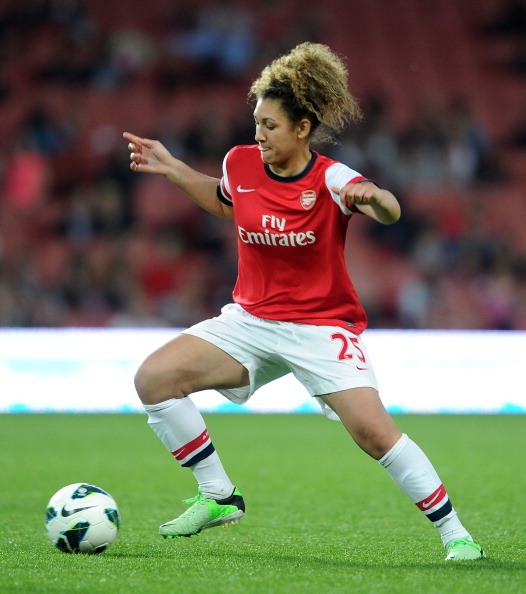
 

Arsenal Ladies FC v Liverpool Ladies FC - The FA WSLThe third event of the (northern) fall will consist of a vibrant roundtable on the state of women’s football internationally. It will take place during the week of December 9-11 (day/time TBA), just after the Decenber 6 draw for the 2015 Women’s World Cup. Jean Williams (@JeanMWilliams), Martha Saavedra (@tricontinental), Gwendolyn Oxenham, and Brenda Elsey (@politicultura) are among the confirmed participants who will pre-circulate blog posts on the FSF website to stimulate discussion and debate.
Categories
Players

Top striker in Algeria killed by fan’s “missile”

IMG_5647.JPG

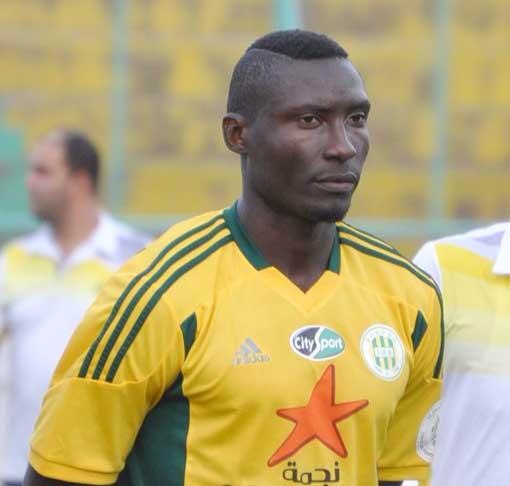
Albert Ebossé, the Algerian league’s top striker last season, was killed by a stone thrown from the stands during a match on Saturday in Tizi Ouzou. It was hurled by someone in a section of the stadium occupied by supporters of his own team, JSK.

The Algerian authorities have opened an investigation on this senseless killing. Meanwhile, the Tizi Ouzou stadium is closed until further notice.

Born in 1989 in Douala, Cameroon, Ebossé stood out on the pitch for his physical size, scoring ability, and unbreakable spirit. In a series of tweets, the Algerian football analyst Mezahi Maher described him as “one of the best I’ve seen in the Algerian league. [He] Seemed invincible against the nastiest defenders. That air of indestructibility further adds to the shock.”

Widely respected by teammates and the media in Algeria, Ebossé embodied the hemle (Bassa for “pride”) so revered in Douala, as Ntone Ndjabe explained in a terrific World Cup preview of the Cameroon squad published in the Financial Times.

When, during a match in Sétif, spectators spewed monkey chants at him, Maher recalled, Ebossé remained composed and focused. Later in the match he soared above the defenders to score on a powerful header. Ebossé celebrated by doing a “monkey dance” for the crowd. Hemle.

His 17 goals in 2013-14 attracted the attention of several European clubs. However, with a daughter born just one week ago and a year left on his JSK contract, Ebossé decided to stay put: “Tizi Ouzou is special. Here I feel as if I’m with my own family in Douala.”

It was a member of his “family” who killed him.

Categories
Players

Top Women Players Fight for Equal Playing Fields at 2015 World Cup

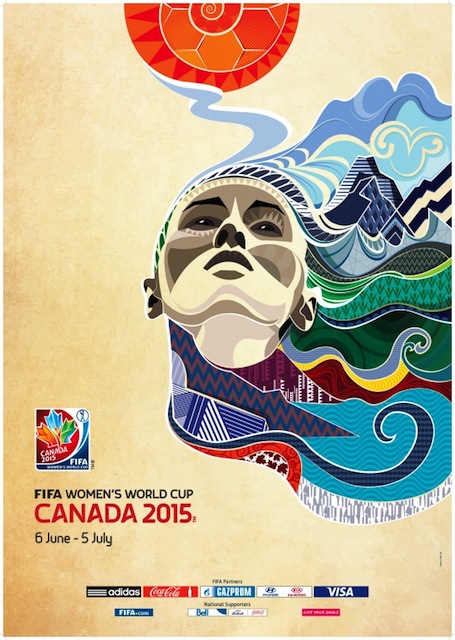
2015-womens-world-cup-poster copyElite footballers, coaches, and advocates are threatening to sue FIFA and the Canadian local organizing committee for gender discrimination at next year’s Women’s World Cup.


An international group that includes the last two FIFA Players of the Year, Nadine Angerer (Germany, @NAngerer) and Abby Wambach (USA, @AbbyWambach), is demanding organizers switch the six venues from artificial turf to natural grass, the only surface that’s ever been used in the men’s World Cup finals.


While FIFA guidelines state that the world body “will always prefer a perfectly manicured grass pitch to an artificial surface,” the 2015 tournament is set to be played exclusively on plastic pitches. Through their legal counsel, the players are demanding their right to “Equal Playing Fields.”


“By singling out women for differential and unequal treatment,” states the official letter (click here for full text) to FIFA President Sepp Blatter and the Canadian organizers, “you not only subject the world’s top players to heightened risk from an array of turf-related injuries, but you also force them to experience the legally cognizable indignity of playing the game’s most important event on what your organizations admit to be an inferior surface.”


At the time of writing, neither FIFA nor the Local Organizing Committee have issued a public statement in response to the players’ demands. But few aficionados would disagree that if the 2015 Women’s World Cup were to be played on natural grass it would be an important victory for gender equality and the beautiful game.


Categories
Players

Shaking Things Up in South African Football?


JOHANNESBURG—As of July 26, Ephraim “Shakes” Mashaba is officially South Africa’s new national team coach. Mashaba fills the void left by the exit of Gordon Igesund, whose contract was not renewed for reasons that have yet to be explicitly stated by the South African Football Association (SAFA).

Much of the media coverage in the build up to Mashaba’s appointment had suggested that Bafana Bafana, as the national team is known, were going to be under the guidance of a foreign-born coach. Among the names circulated were Carlos Queiroz of Portugal (an ex-Bafana coach), Stephen Keshi of Nigeria, and Frank Rijkaard and Dick Advocaat of the Netherlands.

SAFA President Danny Jordaan said “The appointment of Shakes Mashaba was a unanimous decision by the NEC (National Executive Committee).” (He did not indicate whether or not Mashaba was the first choice; but the general opinion seems to be that Shakes was chosen after Queiroz’s financial demands were deemed to be excessive.)

Mashaba is a strong candidate for the head coaching job. In the 1970s and 1980s he played for Orlando Pirates, Moroka Swallows, and Swaraj, and then became one of South Africa’s most accomplished homegrown coaches. In fact, this is not Mashaba’s first stint as Bafana head coach. He held the full-time position from 2002 to 2003 and prior to that he was briefly caretaker coach in 1992 and 2001. Mashaba is undefeated as Bafana head coach. (Mashaba also coached the Swaziland national team, Isihlangu, from 2008-2010, and Venda club Black Leopards from 2004-2008).

But where Mashaba has distinguished himself is coaching South Africa’s youth national teams. He has been in charge of the under-17 (amaJimbo), under-20 (amaJita), and under-23 (amaGlug-Glug) and enjoyed good success with these sides, including amaJita’s victory in the COSAFA Youth Cup in Lesotho last December.

Reactions to Mashaba’s appointment from South African football experts have been largely positive. Former Bafana coach Clive “Mad Dog” Barker enthusiastically endorsed Shakes’ return. “He’s good guy and it just shows that good guys do come first sometimes. I’m right behind him and I think he’s going to produce the goods,” Barker said. “It’s fantastic that he’s a local coach and he’s got an ability to work with young players,” he noted.